Biohazard Cleanup
Blood, sewage, sharps and other biohazards removed and disinfected by cleanup crews in protective gear.
Learn more →New Jersey · Gloucester County
Looking for a biohazard cleaning company in Victory Lakes, NJ? Get residential and commercial biohazard cleanup, including crime scene cleaning, blood cleanup, hoarding cleanup and sewage cleanup. Call (877) 812-4220, 24/7.
If anyone is in danger, call 911 first. For a suicide crisis, call or text 988.
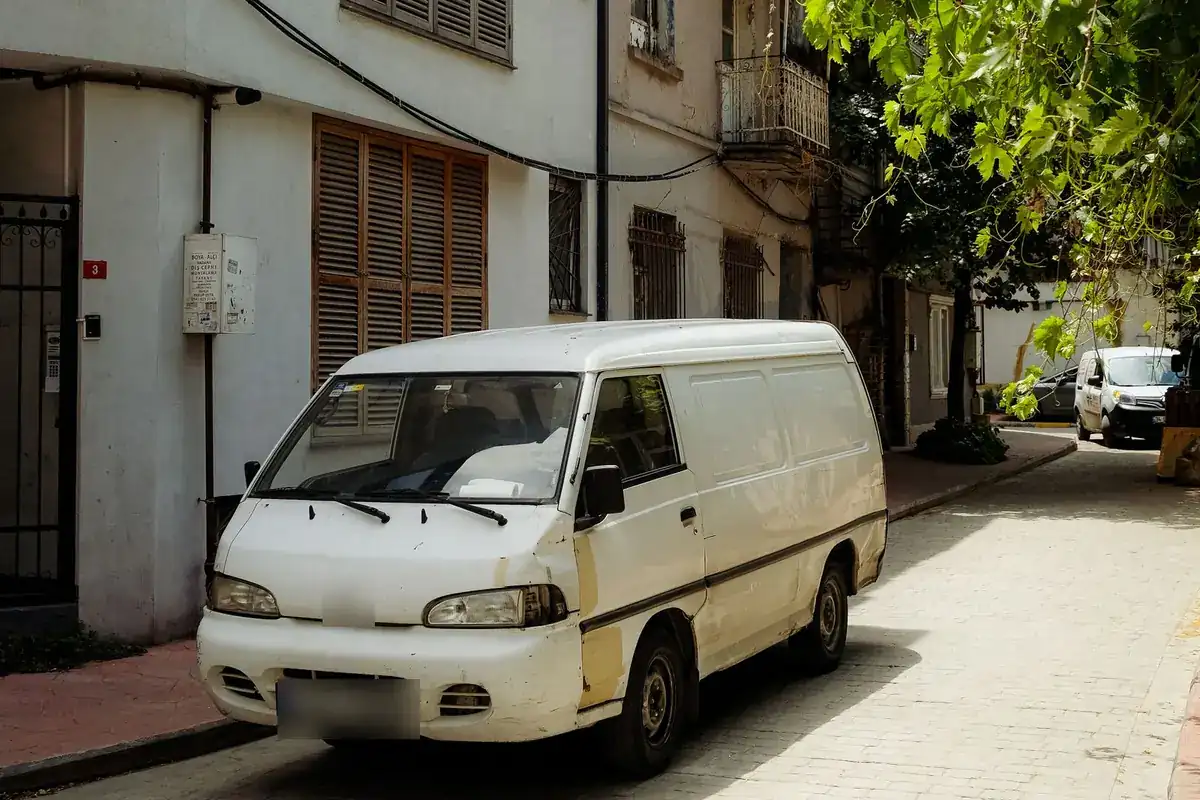
A biohazard cleaner deals with what regular cleaners will not touch: blood, decomposition, human waste and infectious materials. Victory Lakes homeowners, tenants, landlords and business owners can get discreet biohazard cleanup services by calling Victory Lakes Biohazard Cleanup Help.
Property owners, family members, landlords, property managers and insurance adjusters can all get help from Victory Lakes Biohazard Cleanup Help. The cleanup is documented with photos and notes, and coverage reaches Victory Lakes, Woodbury and nearby towns across Gloucester County.
About 83% of homes in Victory Lakes were built before 1980, and older carpet, subfloor and wood trim absorb fluids deeply. Vacancy in Gloucester County is lower than the New Jersey average, at 5%, so most cleanups happen in occupied homes where families want the work done privately and with care.
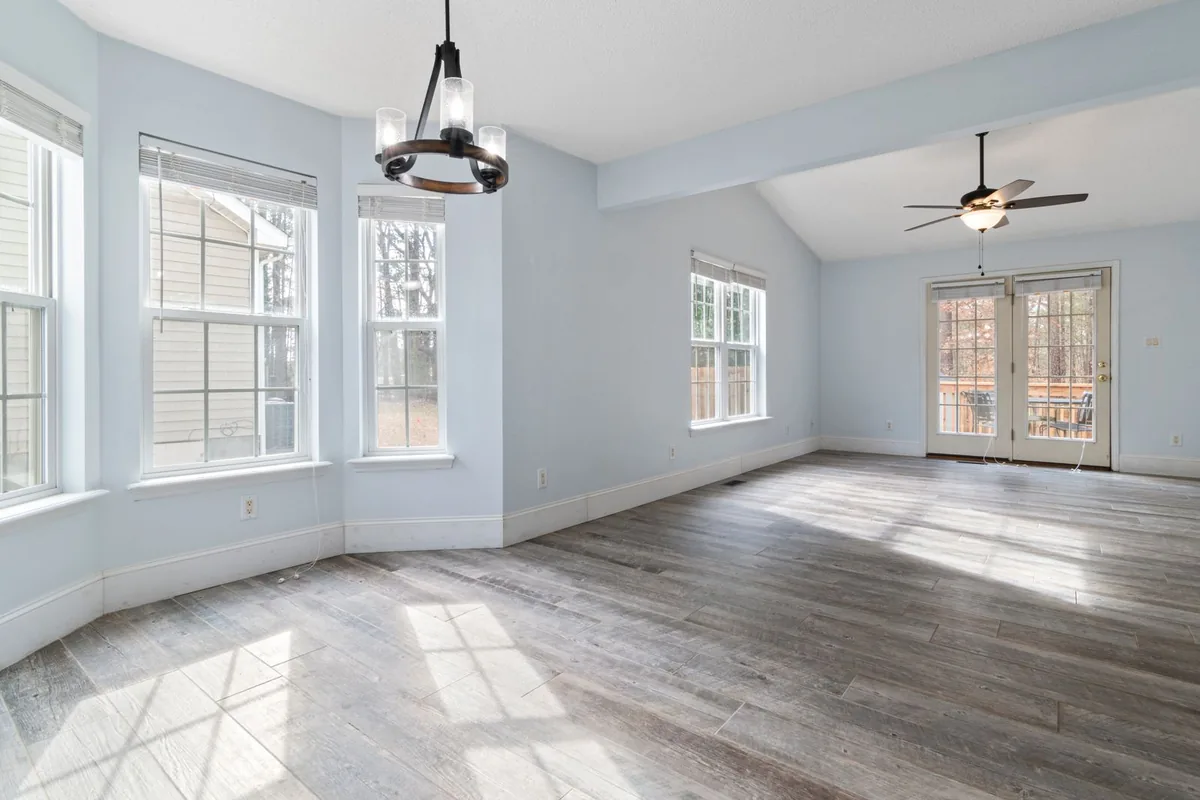
The rule on the wall of every serious crew is to treat all blood and bodily fluids as infectious. Under OSHA's Bloodborne Pathogens Standard (29 CFR 1910.1030), cleanup technicians use PPE and strict handling steps so germs stay out of the rest of the home and off the people doing the work.
Products matter because a mild cleaner will not kill bloodborne germs. Biohazard cleaners use EPA-registered, hospital-grade disinfectants, follow the label for contact time and pair them with air treatment for lingering odor.
Every biohazard removal service below is available 24/7 to property owners, landlords and businesses in Victory Lakes and the surrounding areas of Gloucester County.
Blood, sewage, sharps and other biohazards removed and disinfected by cleanup crews in protective gear.
Learn more →Blood, bodily fluids and residue removed and disinfected after law enforcement releases the scene.
Learn more →Trauma cleaners remove blood, bodily fluids and odor after injuries, violent events and sudden emergencies.
Learn more →After death cleaning for families, landlords and estates, handled quietly and with care.
Learn more →Professional suicide cleaning services that spare relatives and landlords from the hardest part.
Learn more →Homicide cleaners remove contaminated materials, disinfect every affected surface and prepare records for insurers.
Learn more →Blood in cars, vans and rideshare vehicles cleaned from seats, mats and panels, then disinfected.
Learn more →Bodily fluid cleanup for blood, vomit, urine and feces, with disinfection and safe waste disposal.
Learn more →Human feces removal with protective gear, EPA-registered disinfectants and sealed disposal of contaminated waste.
Learn more →Finds the source of a death odor and removes it, instead of masking it with sprays.
Learn more →Hauling, disinfecting and odor removal for crowded homes, without judgment or pressure.
Learn more →Full-house hoarder cleanout with sorting, haul-away and deep cleaning from the first room to the last.
Learn more →Animal hoarding cleanup with protective gear, soaked flooring removal and thorough sanitizing.
Learn more →Squalor cleanup that removes filth, waste and spoiled food, then scrubs and disinfects every room.
Learn more →Sewage restoration that clears contamination and odor so repairs can safely begin.
Learn more →COVID-19 cleanup and coronavirus disinfection of high-touch surfaces, bedrooms, bathrooms and shared rooms.
Learn more →Cleaning first, disinfecting second: a careful process that targets the germs, not only the stain.
Learn more →Medical waste left behind after illness, a move or a cleanup, removed with protective gear.
Learn more →Found a needle? A cleanup team searches the area, removes every sharp and disinfects what it touched.
Learn more →Discreet drug residue cleanup for rentals, homes, hotels and businesses, with protective gear throughout.
Learn more →Clear steps for owners who suspect meth contamination, from first sample to final report.
Learn more →Fentanyl residue removal with protective gear, soft material removal and proper disposal.
Learn more →Chemical spill cleanup with containment, decontamination and records for insurers, buyers and inspectors.
Learn more →Fuel, solvent and chemical spill cleanup for homes, farms, shops and fleet yards.
Learn more →Tear gas cleanup for homes, shops and vehicles, with testing, containment and a final check.
Learn more →Droppings cleanup in kitchens, garages, ductwork and storage rooms with protective gear and sealed disposal.
Learn more →Histoplasmosis-aware cleanup with respirators, HEPA filtration and sealed disposal of guano.
Learn more →Dead animal odor removal that targets the source of the smell, not just the air.
Learn more →Biohazard car cleaning for blood, vomit and body fluids, with disinfection and safe waste disposal.
Learn more →Blood and body fluids removed and disinfected after falls, cuts, crashes and workplace injuries.
Learn more →Biohazard cleaning for commercial and industrial sites, from restrooms and break rooms to warehouse floors.
Learn more →House cleanout and hauling for estates, landlords and out-of-town families after a loss.
Learn more →The first step is deciding what is unsafe and how far the contamination goes. Hazards such as sharps, broken glass or sewage are noted before anyone starts.
Doors are closed off, air handling is controlled and the work zone is marked. Family members, pets and neighbors stay clear.
Soaked carpet, padding, upholstery and drywall are cut out and bagged. Hard surfaces, tools and fixtures are cleaned and disinfected in place.
Air scrubbers and odor equipment clear the room, the crew inspects the result, and the property is handed back ready for repairs, insurance or use.
A cleanup specialist explains the steps, the likely cost range and what the property owner needs to do next, in everyday words.
Contaminated items are sealed, labeled and kept out of household trash, and the waste leaves under medical waste rules.
Property managers get clear records, quick coordination on access and a cleaned unit ready for repairs and the next tenant.
Local help in Victory Lakes, Woodbury and nearby towns means crews know the area, local police and the way homes in the region are built.
Biohazard cleanup in Victory Lakes, NJ typically costs $500 to $25,000, depending on the type of biohazard, the size of the affected area and how far fluids soaked into porous materials.
Most residential jobs cost $3,000 to $5,000 (Fixr). Costs for hoarding, sewage and drug residue differ from death cleanup because each involves different hazards, testing needs and disposal. A fair estimate always starts with an on-site look.
| Type of job | Typical range |
|---|---|
| Blood spill cleanup, small area | $500 - $2,500 |
| Crime scene cleanup, most homes | $1,500 - $7,500 |
| Unattended death cleanup | $2,000 - $7,000 |
| Suicide cleanup | $1,500 - $5,500 |
| Sewage cleanup, most homes | $2,000 - $10,000 |
| Hoarding cleanup, level 3 home | $2,000 - $5,000 |
| Meth lab cleanup, typical | $15,000 - $20,000 |
Estimates only, not a quote. Sources: Fixr, Yelp Costs, BioCleaners Directory, PushLeads, Dropcurb, Bob Vila and cleanup company cost guides. Call (877) 812-4220 to talk through the job.
About 24% is the census figure for older adults living alone in Gloucester County. When a person dies alone, days may pass before anyone knows, and unattended death cleanup follows.
Hoarder homes can hide rotting food, animal waste, mold and pests, along with fire and structural hazards. Hoarding cleanup sorts belongings and restores a livable condition.
About 83% of homes in Victory Lakes were built before 1980, and older carpet, subfloor and trim hold fluids deeper, which can mean more material to remove.
Homes, churches and businesses may need infectious disease disinfection, needle and sharps cleanup, or meth lab and fentanyl decontamination after a property is released.
With a vacancy rate of 5% in Gloucester County, empty buildings can collect animal waste, drug paraphernalia and storm damage that nobody sees until later.
Attics, barns and sheds can hold droppings, guano and carcasses that carry disease. Careful removal and disinfection protect the people who go back in.
To size a cleanup, technicians check what was contaminated, how deep it went and how many rooms it reached. Those findings, together with the type of biohazard, set the plan.
Funeral homes and the authorities remove the person. Biohazard cleaners, also called crime scene cleaners or trauma cleanup crews, clean the property afterwards, including fluids, affected materials and odor.
It varies by the germ. Hepatitis B can survive on surfaces for at least seven days, and other pathogens last for different periods. Because nobody can tell by looking, all blood is treated as infectious until it has been properly disinfected.
It is not safe. Household cleaners do not reach blood and fluids that soak into carpet, padding, drywall and subfloor, and there are rules for disposing of biohazardous waste. A professional biohazard cleaner uses PPE, EPA-registered disinfectants and regulated medical waste disposal.
A cleanout of belongings can take from a day to several weeks depending on how much is in the home. If a death left biohazards, the biohazard cleanup comes first, and sorting or hauling follows once the area is safe.
Safe cleaning means PPE, containment, removal of porous materials, cleaning, EPA-registered disinfectant for the full contact time, and sealed disposal of the waste. A small household spill is a different matter than a death or crime scene, and anything larger than a few drops should be left to a crew.
Usually it is better not to. The affected area is sealed off, odor and chemicals may be present, and the work is easier to do safely with people and pets elsewhere. The crew can say what is safe for your situation.
They can. About 83% of homes in Victory Lakes were built before 1980, and older carpet, subfloor and trim absorb fluids deeply. The crew inspects each home to see how far the contamination went.
It can. Gloucester County has a Relatively Moderate river flood risk rating from FEMA. Wherever floodwater or a sewer backup enters a home, the water is treated as Category 3 and needs full cleaning and disinfection.
Need a local biohazard company in Victory Lakes or nearby communities, including Williamstown, Collings Lakes and Woodbury, the Gloucester County seat? Call Victory Lakes Biohazard Cleanup Help at (877) 812-4220 from any of them.
Describe what happened, and the cleanup team will explain the next steps.
Call (877) 812-4220